

Invoking Mahatma Gandhi‘s vision of total prohibition, the Madras High Court has cancelled a liquor bar licence granted to a recreation club in Tamil Nadu‘s Karaikudi in proximity of a temple, a church and a university, holding that authorities failed to comply with mandatory legal safeguards and adequately assess public interest before permitting the sale of liquor.
The licence had been challenged by local residents who alleged that the proposed bar was located close to a temple, church, hospitals and educational institutions, and the court noted that the establishment was forced to shut within two days of opening following sustained public protests.
A bench of Justices N Sathish Kumar and M Jothiraman was hearing two public interest litigations (PILs) challenging an FL2 licence granted by the commissioner of prohibition and excise department to ‘Santhosam Recreation Club’ on November 12, 2025. The petitioners sought cancellation of the licence, alleging violations of statutory rules governing liquor establishments and questioning the suitability of the location.
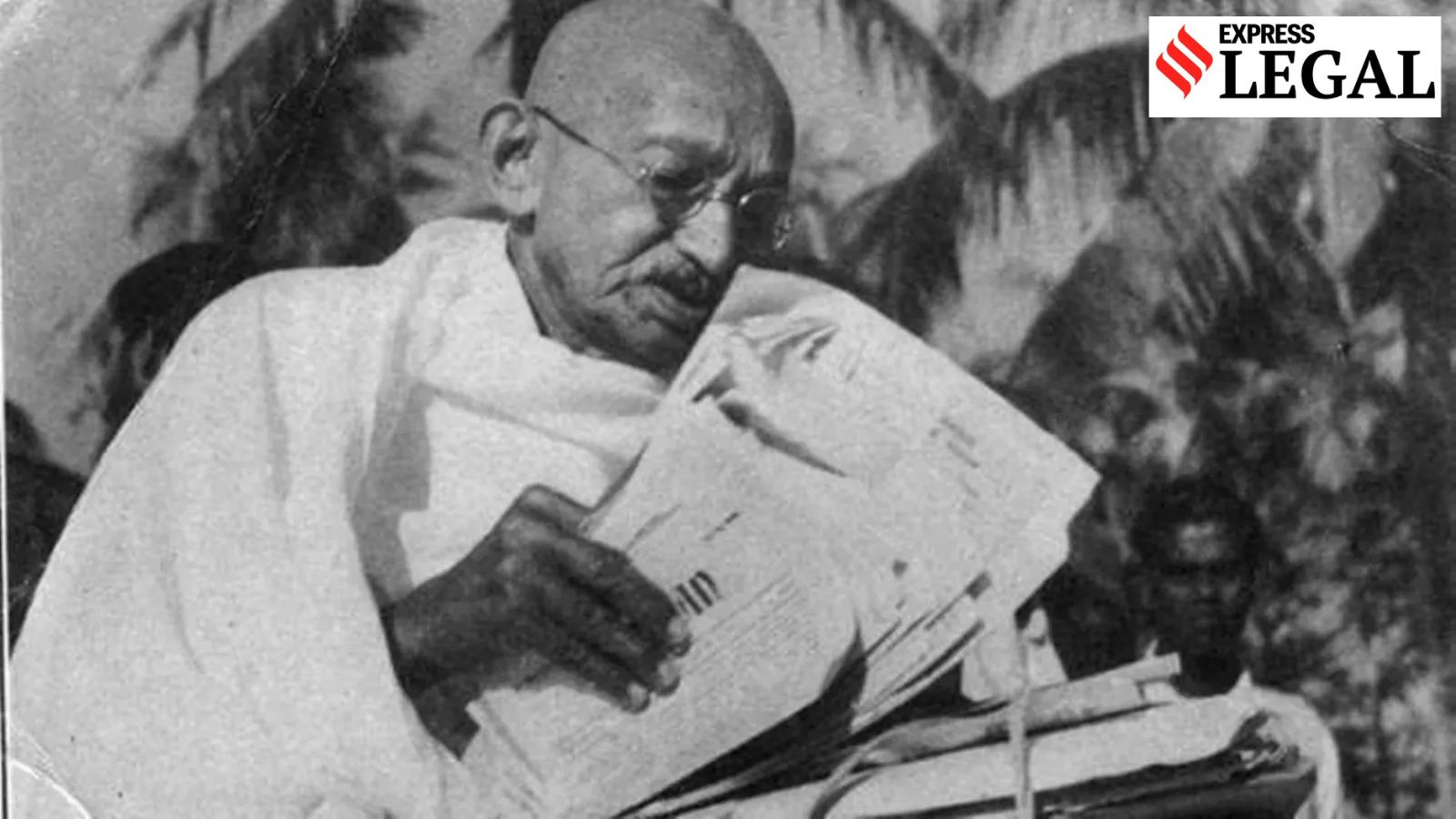
“It is pertinent to mention that Father of our Nation, Mahatma Gandhi tried to achieve three important objectives, namely, removal of untouchability, accomplishment of Hindu-Muslim unity and total prohibition of liquor,” the court said on June 23.
The case arose from objections raised by residents of Karaikudi’s Burma Colony, who claimed that the bar had been permitted in a sensitive locality near places of worship, hospitals and educational institutions. Although the establishment opened on November 17, 2025, it was temporarily closed on November 19, 2025 after continuous protests by members of the public.
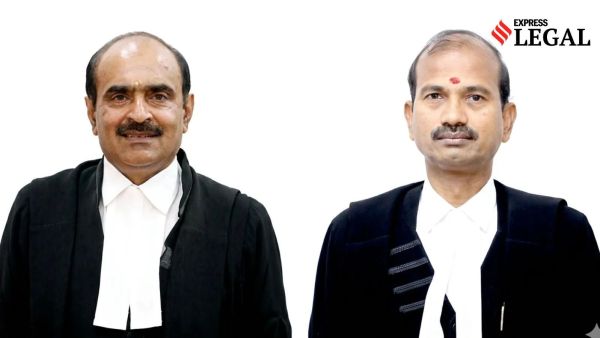 Justices N Sathish Kumar and M Jothiraman of the Madras High Court appointed an advocate commissioner on April 10 to inspect the site and submit a report on the liquor bar issue. (File image)
Residents challenge licence
The first petitioner, C Arundurai, contended that the recreation club had obtained an FL2 licence to serve liquor in a densely populated residential area. According to the plea, Sri Sakthi Veerakaaliyamman Temple and a church were located in the vicinity, while educational institutions associated with Alagappa University were also nearby.
The petitioner argued that the licence had been granted in violation of statutory safeguards and without proper regard for public interest.
Story continues below this ad
Another petitioner, Chithiral, told the court that Karaikudi was a major educational centre with several colleges and schools. The petition alleged that the liquor licence had been granted despite the presence of hospitals, religious institutions and other public facilities in the surrounding area. The petitioners further submitted that widespread public protests had erupted soon after the licence became known and that local residents had strongly opposed the operation of the liquor outlet.
State says procedures were followed
The state government defended the licence, stating that the application had been processed after obtaining reports from the superintendent of police, revenue divisional officer and tahsildar.
All of them recommended issuance of the licence, following which the district collector forwarded a favourable recommendation to the commissioner of prohibition and excise.
The recreation club also defended the licence, arguing that it was a registered society and had applied for the licence to cater to its members. It contended that the temple and church cited by the petitioners were located beyond the prescribed distance and that applicable legal requirements had been satisfied before the licence was granted.
Story continues below this ad
Advocate commissioner appointed
During the proceedings, the high court appointed an advocate commissioner on April 10 to inspect the site and submit a report regarding the distances between the club and nearby religious institutions. The report was subsequently placed before the court. The court also examined official records showing that the bar began functioning on November 17, 2025 but was closed two days later following public agitation.
Court finds flaws in licensing process
A major issue identified by the court was the absence of any specific provision in the club’s approved by-laws authorising the sale or supply of liquor. The judges observed that while the organisation was registered as a recreation club, there was no specific clause in its approved by-laws permitting it to engage in liquor sales through an FL2 licence.
“There is no specific clause/objective in the by-laws approved by the Registrar for selling of liquor by obtaining FL2 licence from the Prohibition and Excise Department,” the court said. The bench referred to an earlier division bench ruling which held that recreation clubs seeking FL2 licences must specifically incorporate provisions relating to liquor supply in their by-laws and obtain approval from the district registrar.
Public interest overlooked, says court
The high court emphasised that Rule 19(A) of the Tamil Nadu Liquor (Licence and Permit) Rules, 1981 requires authorities to satisfy themselves that local needs justify the grant of a licence and that public interest would not suffer because of it. According to the judges, the authorities failed to adequately consider these mandatory requirements before granting the licence.
Story continues below this ad
The court observed that liquor licences should not be granted in prohibited locations and that authorities must carefully verify locations situated near hospitals, educational institutions and religious places in the interest of public health and safety.
“The authorities have failed to consider the mandatory requirements prescribed under the Rules and the public reasonably expected the authorities to follow statutory safety norms and protect the residential and religious environment. Temporary closure of the bar due to public protests demonstrates the flawed, unsafe, and unlawful nature of the license,” it said. The court further held that the authorities failed to properly assess whether local needs justified the licence and whether public interest would suffer because of its grant.
Licence cancelled, fresh application permitted
Allowing Arundurai’s petition, the high court set aside the FL2 licence granted to Santhosam Recreation Club on November 12, 2025. In view of that decision, the connected petition was disposed of. However, the court clarified that the club would be free to submit a fresh application seeking permission to shift the liquor outlet to another location. If such an application is filed, authorities have been directed to consider it on its own merits and in accordance with law.
Disclaimer: We do not own any of the content, ideas, images, or text presented here. All rights belong to their respective owners. For more information and to view the original source, please visit the following link: